
Value Proposition
Redoing your bathroom will increase the value of your home, as bathrooms are one of the key areas that potential buyers focus on. Here are some ways to maximize the value of your home by renovating your bathroom:
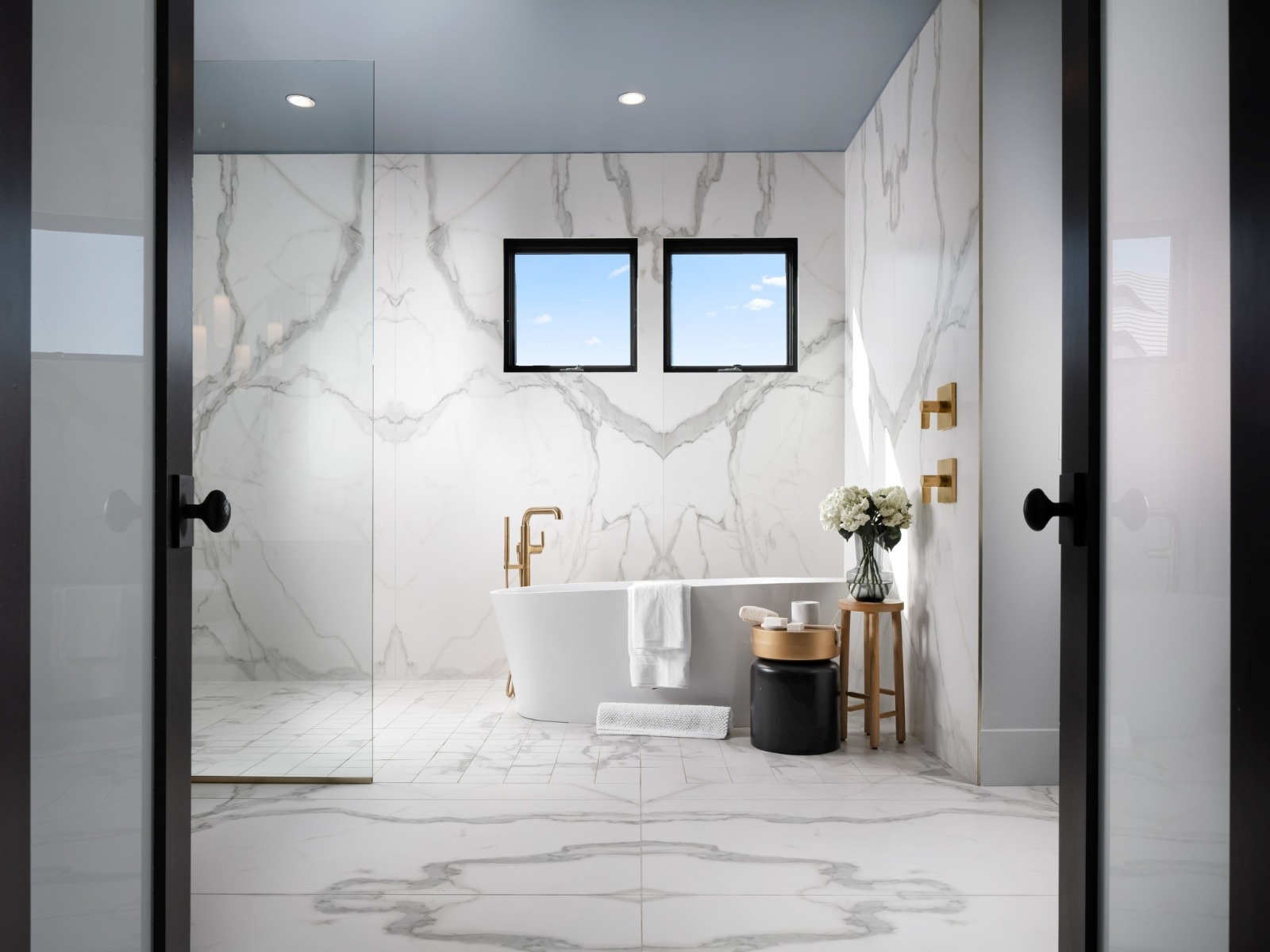
1. Focus on quality materials: Invest in high-quality materials such as porcelain panels. Quality materials not only enhance the appearance of the bathroom but also contribute to its durability and longevity, which can be attractive selling points for potential buyers.
2. Update fixtures: Replace old, outdated fixtures such as showerheads and choose fixtures in a cohesive style and finish to create a cohesive and polished look in the bathroom.
3. Upgrade the shower and bathtub: Upgrading the shower and bathtub always increases the value of a home. Features such as rainfall showerheads, soaking tubs, and jetted whirlpool tubs can add a touch of luxury and relaxation to the bathroom, increasing its appeal to potential buyers.
4. Create a spa-like atmosphere: A spa-like atmosphere can elevate the overall experience of the bathroom and make it feel like a retreat within your home.
By focusing on quality materials, updating fixtures, upgrading the shower and bathtub, you can significantly increase the value of your home through a bathroom renovation.
What make us different
When comparing materials for bathrooms, including porcelain, acrylic, and various stones, several factors come into play such as durability, maintenance, cost, and aesthetic appeal. Let’s break down each material:
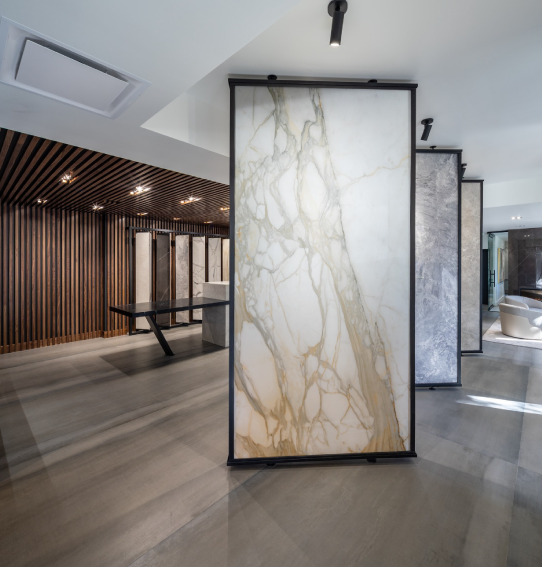
Porcelain
Porcelain is a type of ceramic material made by heating materials like clay at high temperatures. It’s commonly used for bathroom fixtures like sinks, toilets, and tiles. Today large porcelain panels have been developed for bathrooms, walls, floors, even exterior of buildings.
Here are some pros and cons:
Pros:
• Durable and resistant to scratches, stains, and water damage.
• Available in a wide range of colors, patterns, and designs.
• Easy to clean and maintain.
• Relatively affordable compared to some natural stone options.
Cons:
• The porcelain panels require specialized installers that are typically not available for bathroom jobs. In-N-Out was created understanding that need in the market and has trained its installation team.
Acrylic
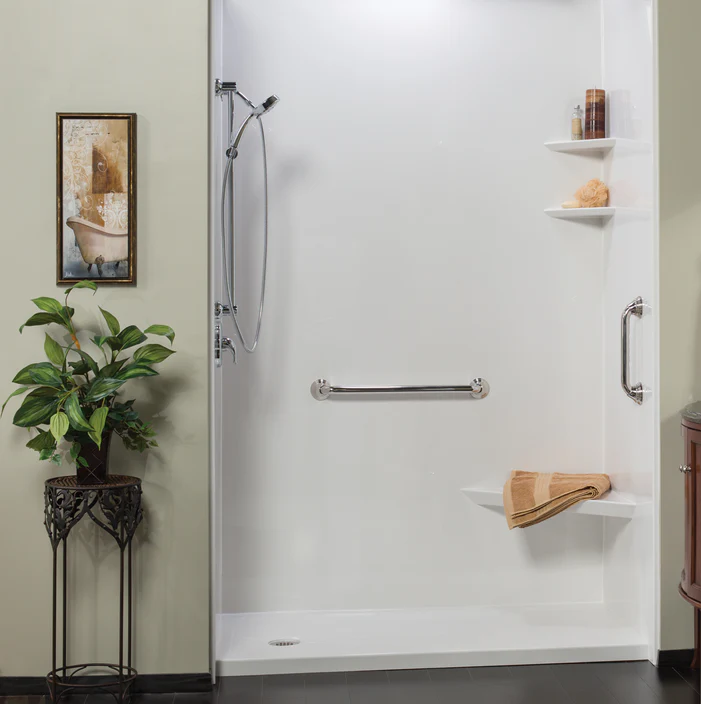
Acrylic is a type of plastic material that’s lightweight and often used in bathrooms for products like bathtubs and shower enclosures. Here’s a look at its pros and cons:
Pros:
• Lightweight and easy to install.
• Excellent at retaining heat, providing a comfortable bathing experience.
• Resistant to chipping and scratching.
• Available in various shapes and sizes, allowing for customization.
Cons:
• Not as durable as porcelain or natural stone.
• Can be prone to scratching, especially with abrasive cleaners.
• May discolor over time with prolonged exposure to sunlight or harsh chemicals.
Natural Stones (e.g., marble, granite, travertine):
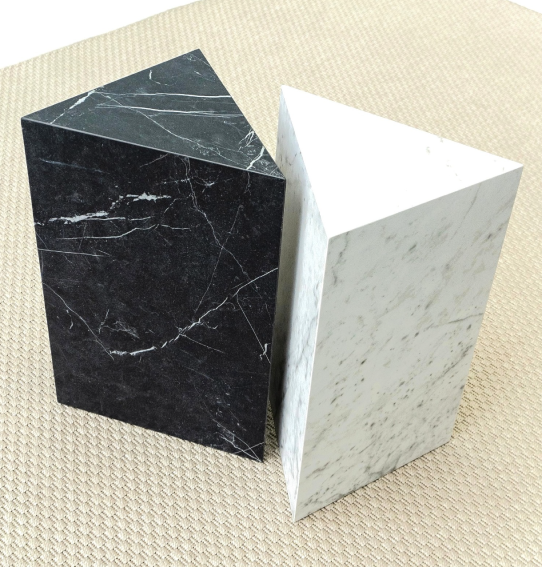
Natural stones offer a luxurious and timeless look to bathroom spaces. Here are some considerations:
Pros:
• Unique patterns and veining, giving each piece a one-of-a-kind appearance.
• Highly durable and long-lasting when properly sealed and maintained.
• Adds value to the property due to its perceived luxury.
Cons:
• Generally more expensive than porcelain or acrylic.
• Requires regular sealing to prevent stains and water damage.
• Can be more challenging to clean and maintain compared to non-porous materials like porcelain.
When choosing between these materials for a bathroom, it’s essential to consider your budget, aesthetic preferences, and maintenance requirements. Porcelain is clearly the #1 choice!